Table of Contents
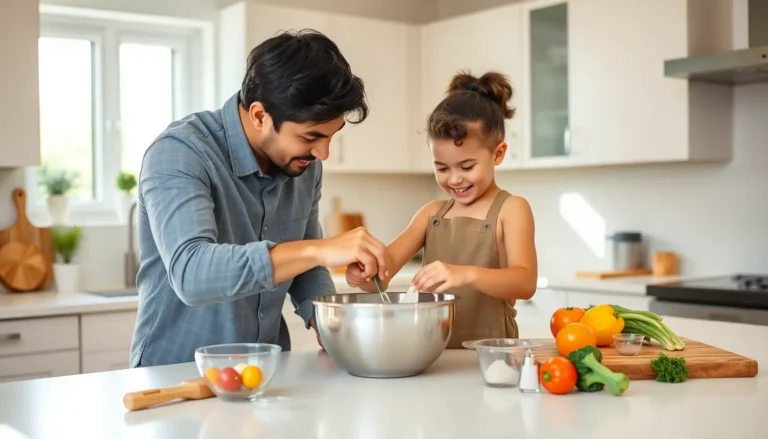
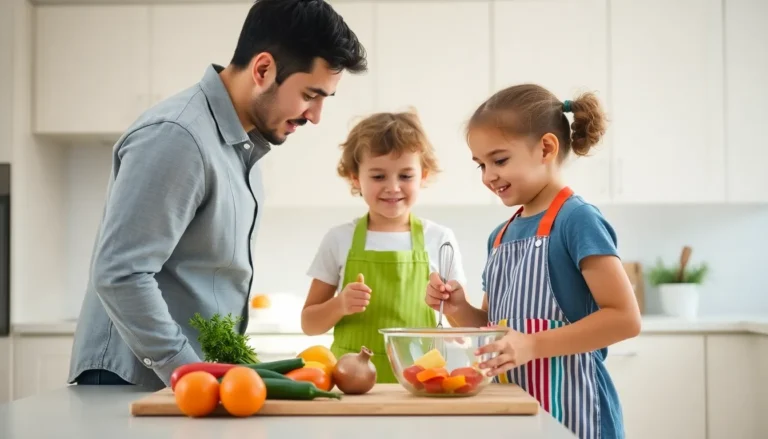
ToggleCooking with children means preparing food together as a shared activity. Parents, teachers, and caregivers use cooking with children to teach life skills, build confidence, and create lasting memories. The kitchen becomes a classroom where kids learn math through measuring, science through mixing, and patience through waiting for cookies to bake.
This guide covers everything families need to start cooking with children safely and successfully. From toddlers who can tear lettuce to teenagers ready to flip pancakes, every age group can participate in meaningful ways. The benefits extend far beyond the meal itself, children who cook tend to eat healthier, show more interest in new foods, and develop independence they’ll carry into adulthood.
Key Takeaways
- Cooking with children teaches valuable life skills including math, science, motor coordination, and patience through hands-on kitchen activities.
- Children who help prepare meals eat up to 76% more vegetables and develop healthier eating habits that last into adulthood.
- Age-appropriate tasks are essential—toddlers can tear lettuce and stir, while teens can handle complete meal preparation independently.
- Safety comes first: establish clear rules about handwashing, hot surfaces, and knife handling before any cooking session begins.
- Start with simple no-cook recipes like fruit salad or overnight oats, then progress to baking and supervised stovetop cooking.
- Beyond the meal itself, cooking with children builds confidence, encourages teamwork, and creates meaningful family memories.
The Benefits of Cooking With Children
Cooking with children offers advantages that parents might not expect. Research from the University of Alberta found that children involved in meal preparation eat 76% more salad and 27% more vegetables than those who don’t help cook. That picky eater problem? The kitchen might be the solution.
Developmental Benefits
Kids gain motor skills every time they stir batter or knead dough. Younger children strengthen hand muscles and coordination. Older children refine precision as they level measuring cups or crack eggs without shell fragments.
Math becomes real during cooking with children. Fractions make sense when a child halves a recipe or doubles it for a bigger crowd. Counting, sequencing, and following multi-step directions all happen naturally.
Emotional and Social Growth
Children build confidence when they contribute to family meals. A five-year-old who mixed the muffin batter feels genuine pride at breakfast. This sense of accomplishment matters, cooking with children creates opportunities for success that kids control.
The kitchen also encourages teamwork. Siblings learn to share tasks, take turns, and communicate clearly. These social skills transfer to school and friendships.
Health Habits That Last
Children who cook understand where food comes from and how ingredients combine. They’re more likely to try new foods they helped prepare. Studies show cooking with children correlates with healthier eating patterns into adulthood. The habits formed at the kitchen counter often stick for life.
Age-Appropriate Tasks for Young Chefs
Cooking with children works best when tasks match ability levels. A frustrated child won’t want to return to the kitchen, so setting kids up for success matters more than efficiency.
Ages 2-3: The Little Helpers
Toddlers can wash vegetables in a bowl of water. They love tearing lettuce or spinach for salads. Stirring ingredients in a large bowl keeps them engaged, expect some spills. These children can also pour pre-measured ingredients into mixing bowls and use cookie cutters on soft dough.
Ages 4-5: Growing Independence
Preschoolers handle spreading soft items like peanut butter or cream cheese. They can mash bananas with a fork, crack eggs with supervision, and measure dry ingredients with help leveling. Cooking with children this age often involves assembling, layering lasagna, topping pizzas, or building sandwiches.
Ages 6-8: Real Kitchen Skills
Elementary-age kids can use a butter knife for soft foods, read simple recipes aloud, and follow three or four steps independently. They’re ready to operate a hand mixer, use a vegetable peeler, and begin learning knife safety with kid-friendly tools.
Ages 9-12: Junior Cooks
This age group can follow complete recipes with minimal help. They’re ready for stovetop cooking with supervision, basic knife skills with proper instruction, and using the oven with an adult nearby. Cooking with children at this stage shifts toward independence, they might prepare entire simple meals.
Teenagers: Kitchen Confidence
Teens can handle most kitchen tasks adults perform. They benefit from learning meal planning, grocery shopping, and budget-friendly cooking. These skills prepare them for living on their own.
Essential Safety Tips for Kids in the Kitchen
Cooking with children requires attention to safety without creating fear. The goal is teaching respect for kitchen hazards while keeping the experience enjoyable.
Basic Safety Rules
Establish clear rules before cooking begins. Hands get washed first, every time. Hot surfaces are adult-only zones until children demonstrate readiness. Knives stay on the counter, never near the edge, and children ask before touching them.
Turn pot handles inward so kids can’t grab them or knock them off the stove. Keep electrical cords away from the counter edge. These habits protect everyone.
Age-Specific Precautions
Young children should work at the table or a sturdy step stool away from heat sources. Cooking with children under five means keeping them far from the stove, oven, and sharp objects.
Older children learning to use heat need direct supervision. Teach them to use oven mitts, stir away from themselves, and never leave hot pans unattended. Practice these skills repeatedly before granting independence.
Creating a Safe Environment
Store sharp objects and cleaning supplies out of reach. Use back burners when possible. Keep a fire extinguisher accessible and teach older children its location. Cooking with children is safest when the space is organized, clutter leads to accidents.
Consider kid-friendly tools: plastic lettuce knives, child-sized utensils, and silicone baking supplies that stay cool. These items let children participate safely while building skills.
Easy Recipes to Get Started
The best recipes for cooking with children include simple steps and forgiving techniques. Perfection isn’t the point, participation is.
No-Cook Options
Start cooking with children using recipes that skip heat entirely. Ants on a log (celery, peanut butter, and raisins) lets kids practice spreading and counting. Fruit salad involves washing, tearing, and mixing. Overnight oats require only measuring and stirring, kids can prepare their own breakfast.
Simple Baking Projects
Baking works well because it involves measuring, mixing, and waiting, skills kids can master. Try basic muffins, banana bread, or sugar cookies. Cooking with children through baking teaches patience as they watch the oven and wait for treats to cool.
No-bake cookies offer chocolate and peanut butter rewards without oven use. Energy balls made from oats, honey, and mix-ins let children shape their own snacks.
Easy Stovetop Recipes
Scrambled eggs teach heat control and timing. Pancakes let children practice flipping (with supervision). Grilled cheese sandwiches demonstrate how butter and heat transform bread.
Quesadillas require only filling assembly before an adult helps with the pan. Cooking with children on the stovetop should start with low-heat recipes before progressing to higher temperatures.
Complete Meals Kids Can Help Make
Homemade pizza gives every family member a role, someone rolls dough, another spreads sauce, and everyone adds toppings. Taco night works similarly with an assembly-line approach. Pasta dishes let children measure noodles and stir sauce while adults handle boiling water.