Table of Contents
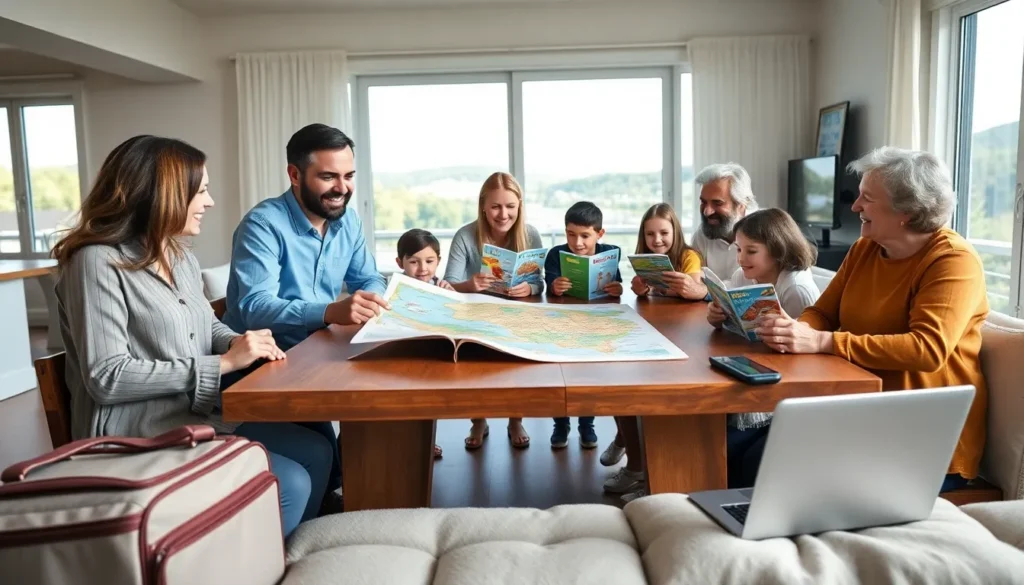
ToggleFamily vacations create lasting memories, but they require planning to work well. A trip that keeps toddlers entertained, teens engaged, and parents relaxed doesn’t happen by accident. This guide breaks down how to plan family vacations step by step, from setting a budget to packing your bags. Whether the family dreams of beach days, theme parks, or mountain hikes, these strategies help create a trip everyone will enjoy.
Key Takeaways
- Set a realistic budget before booking, allocating funds for transportation, lodging, food, and a 10-15% buffer for unexpected expenses.
- Choose destinations that accommodate all ages and involve kids in the decision to boost their investment in the trip.
- Balance planned activities with free time, letting each family member pick at least one activity they’re excited about.
- Book accommodations strategically—vacation rentals and suite hotels offer space and kitchens that make family vacations easier.
- Pack smart with a carry-on survival kit including snacks, entertainment, and backup clothes for young children.
- Stay flexible and prepare backup plans because the best family vacations handle setbacks calmly rather than expecting perfection.
Set a Realistic Budget Before You Start
Money conversations aren’t glamorous, but they make or break family vacations. Start by setting a total budget that covers transportation, lodging, food, activities, and souvenirs.
Break the budget into categories. Flights or gas typically eat up 20-30% of travel costs. Accommodations take another 30-40%. Food and activities split the rest. Knowing these percentages helps families avoid overspending in one area.
A few tips keep costs under control:
- Travel during shoulder season. Visiting destinations in spring or fall often cuts costs by 20-40% compared to peak summer months.
- Set a daily spending limit. This keeps everyone accountable and prevents vacation debt.
- Build in a buffer. Add 10-15% extra for unexpected expenses like a rainy-day museum visit or a kid who really wants that stuffed animal.
Families who skip this step often return home stressed about credit card bills. Those who plan their family vacations with a clear budget enjoy the trip without financial anxiety hanging over every purchase.
Choose a Destination That Works for All Ages
Picking a destination sounds fun until a five-year-old wants Disney World, a teenager wants New York City, and grandma wants a quiet beach. Finding common ground takes some creativity.
Start by listing what each family member values. Does the youngest need pools and playgrounds? Do teens want adventure or good WiFi? Do adults need some relaxation time? Write these priorities down.
Some destinations naturally accommodate multiple age groups. Orlando offers theme parks, nature trails, and shopping. San Diego combines beaches, the zoo, and museums. National parks like Yellowstone or the Grand Canyon give kids space to explore while adults enjoy stunning scenery.
Consider logistics too. Long flights with young children test everyone’s patience. A 12-hour car ride might work for one family but not another. Family vacations succeed when the destination matches both interests and travel tolerance.
Don’t forget to involve kids in the decision. Children who help choose the destination feel invested in the trip. They’re more likely to cooperate and enjoy themselves when they had a voice in planning.
Plan Activities With Something for Everyone
The best family vacations balance group activities with individual interests. Nobody wants to drag a reluctant teenager through a third art museum, and nobody wants to spend every day at the arcade either.
Create a mix of planned and free time. Schedule one or two main activities per day, then leave room for spontaneous exploration. Over-scheduling exhausts families and creates tension when plans fall through.
Let each family member pick at least one activity. Maybe Dad chooses the hiking trail, the 10-year-old picks mini golf, and Mom selects the local seafood restaurant. This approach gives everyone something to anticipate.
Some activities naturally please multiple generations:
- Beach days let little ones build sandcastles while teens surf and parents read.
- Cooking classes engage kids and adults together.
- Boat tours provide scenery for adults and adventure for children.
- Easy hikes offer exercise and nature without being too demanding.
Build in downtime too. Family vacations shouldn’t feel like marathons. A lazy morning at the hotel or an afternoon nap keeps everyone’s mood stable, especially with younger kids in the mix.
Book Accommodations That Support Family Needs
Where a family sleeps shapes the entire vacation experience. A cramped hotel room with one bathroom and four people creates morning chaos. The right accommodations make daily life easier.
Consider these lodging options:
- Vacation rentals offer kitchens, multiple bedrooms, and space to spread out. Families save money by cooking some meals and enjoy privacy after long days.
- Suite hotels provide separate sleeping areas without the commitment of a full rental.
- Resorts with kids’ programs give parents a few hours of adult time while children enjoy supervised activities.
Location matters as much as the room itself. A hotel 45 minutes from main attractions adds hours of driving and cranky car time. Staying centrally, even if it costs slightly more, often saves money on gas and reduces stress.
Read reviews from other families before booking. Look for mentions of noise levels, pool cleanliness, and kid-friendliness. A hotel might look great in photos but wake everyone at 6 AM with street noise.
For family vacations with babies or toddlers, confirm that cribs, high chairs, and childproofing options are available. These small details prevent middle-of-the-night scrambles.
Pack Smart and Prepare for the Unexpected
Packing for family vacations requires strategy. Too little means buying overpriced sunscreen at the airport. Too much means wrestling with heavy bags while herding children through terminals.
Create a packing list one week before departure. Check it twice. Include essentials like medications, chargers, and comfort items for kids (that favorite stuffed animal can’t stay home). Roll clothes instead of folding them to save suitcase space.
Prepare a carry-on survival kit with:
- Snacks that won’t melt or crumble
- Entertainment for kids (tablets, coloring books, small toys)
- A change of clothes for young children
- Basic first aid supplies
- Important documents and copies stored separately
Flexibility saves family vacations from disaster. Flights get delayed. Kids get sick. Rain cancels beach plans. Families who expect some things to go wrong handle setbacks better than those who assume perfection.
Have backup plans ready. Know which indoor attractions work on rainy days. Research urgent care locations near the hotel. Keep a list of nearby restaurants in case the first choice has a two-hour wait.
The goal isn’t to prevent every problem, that’s impossible. The goal is to respond calmly when problems arise.