Table of Contents
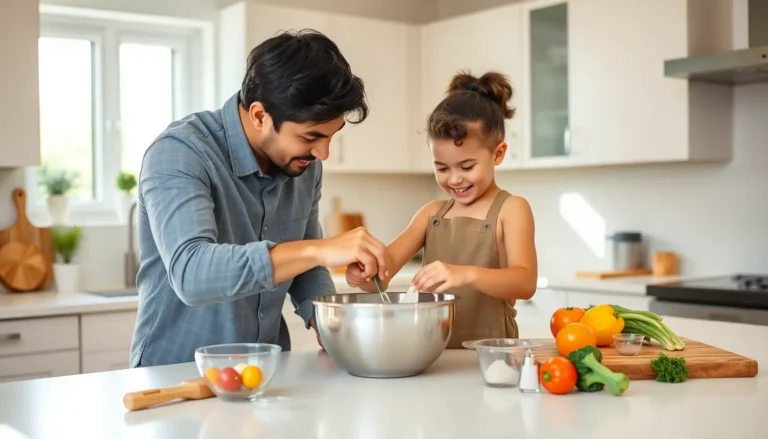
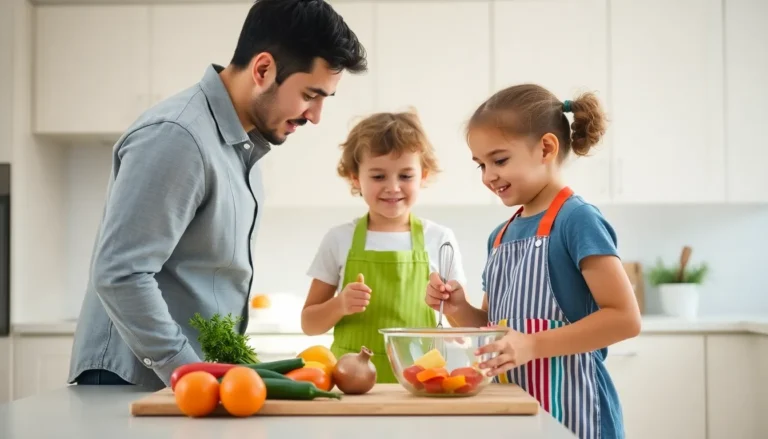
ToggleLearning how to cook with children transforms ordinary meals into memorable experiences. Kids who spend time in the kitchen develop essential life skills, build confidence, and form healthier eating habits. Cooking with children also creates opportunities for quality family time that many parents struggle to find in busy schedules.
This guide covers everything families need to know about cooking with children safely and enjoyably. From setting up a kid-friendly workspace to choosing the right tasks for different ages, parents will discover practical strategies that work. The kitchen doesn’t have to be off-limits, it can become a place where children learn, grow, and have fun.
Key Takeaways
- Cooking with children builds essential life skills, boosts confidence, and encourages healthier eating habits.
- Create a safe, kid-friendly kitchen by using step stools, child-sized tools, and storing dangerous items out of reach.
- Match cooking tasks to your child’s age—toddlers can wash vegetables while older kids can follow recipes and use knives under supervision.
- Start with simple, quick recipes like homemade pizza, smoothies, or no-bake energy balls to keep kids engaged.
- Accept that messes are part of the learning process and focus on the experience rather than perfect results.
- Involve children in cleanup to teach responsibility and make cooking a complete learning activity.
Benefits of Cooking With Kids
Cooking with children offers advantages that extend far beyond the dinner table. Research shows that kids who participate in meal preparation eat more vegetables and try new foods more willingly. They also gain a better understanding of nutrition and where their food comes from.
The educational benefits of cooking with children are significant. Math skills improve as kids measure ingredients and count items. Reading abilities develop when children follow recipe instructions. Science concepts come alive through mixing, heating, and observing chemical reactions in food.
Cooking with children builds their self-esteem in meaningful ways. When a child helps create a dish that the whole family enjoys, they feel proud of their contribution. This sense of accomplishment encourages them to take on new challenges both in and out of the kitchen.
Family bonds strengthen through shared cooking experiences. The kitchen becomes a space for conversation, laughter, and connection. Many adults treasure memories of cooking with their parents or grandparents, these same moments can be created today.
Preparing Your Kitchen for Young Helpers
A safe kitchen setup makes cooking with children more enjoyable for everyone. Start by creating a dedicated workspace at the right height. A sturdy step stool allows kids to reach countertops comfortably. Some families invest in a learning tower that provides a secure platform for younger children.
Store dangerous items out of reach before cooking with children begins. Sharp knives, heavy pots, and cleaning chemicals should stay in locked cabinets or high shelves. Keep a fire extinguisher accessible and teach older kids where it is located.
Gather all ingredients and tools before starting. This preparation reduces the need for children to wait while adults search for items. It also minimizes distractions that can lead to accidents.
Consider investing in child-friendly kitchen tools for cooking with children:
- Plastic or nylon knives that cut soft foods safely
- Small mixing bowls that little hands can manage
- Measuring cups with easy-to-read numbers
- Aprons sized for children to protect clothing
Establish clear kitchen rules from the start. Explain that hot surfaces, electrical appliances, and certain tools require adult supervision. Consistent boundaries help children understand expectations and stay safe.
Age-Appropriate Tasks for Little Chefs
Successful cooking with children depends on matching tasks to abilities. Age serves as a general guide, but individual skill levels vary. Parents should observe their children and adjust assignments accordingly.
Toddlers (Ages 2-3)
Toddlers can wash vegetables under supervision. They enjoy tearing lettuce, stirring cold ingredients, and sprinkling toppings. Simple tasks like putting items in bowls or pressing cookie cutters into dough work well for this age group.
Preschoolers (Ages 4-5)
Preschoolers can handle more responsibility when cooking with children activities expand. They can crack eggs (with practice), spread soft ingredients, use plastic knives to cut bananas, and help measure dry ingredients. Mixing batter and kneading dough also appeal to this age.
Early Elementary (Ages 6-8)
Children in this range can read simple recipes and follow basic instructions. They can safely use peelers on some vegetables, operate a manual can opener, and help set timers. With supervision, they might begin learning proper knife skills with a blunt knife.
Older Kids (Ages 9-12)
Older children can take on more independent roles. They can follow recipes with minimal help, use sharp knives under supervision, operate certain appliances, and even plan simple meals. Cooking with children at this age prepares them for eventual kitchen independence.
Simple Recipes to Make Together
The best recipes for cooking with children feature simple steps and visible results. Start with dishes that don’t require precise timing or advanced techniques.
Homemade Pizza ranks among the most popular choices for cooking with children. Kids love kneading dough, spreading sauce, and choosing their own toppings. Even picky eaters tend to enjoy food they’ve helped create.
Smoothies offer another excellent starting point. Children can add fruit to the blender, pour in liquids, and press the button. The quick results provide instant gratification that keeps kids engaged.
No-Bake Energy Balls let children measure, mix, and roll without any heat involved. These snacks use oats, nut butter, honey, and mix-ins like chocolate chips or dried fruit.
Quesadillas teach basic cooking skills. Kids can spread cheese on tortillas while adults handle the stovetop. The assembly process feels creative, and the cooking time is short.
Fruit Salad introduces knife skills safely. Children can cut soft fruits like bananas and strawberries with appropriate tools. They also practice recognizing colors, shapes, and different fruit varieties.
Cooking with children becomes easier when recipes match attention spans. Choose dishes that can be completed in 30 minutes or less for younger kids.
Tips for a Stress-Free Cooking Experience
A few strategies can make cooking with children smoother for the whole family. First, accept that messes will happen. Flour will spill. Eggs might break. These small mishaps are part of the learning process.
Set realistic expectations before starting. A meal prepared with young helpers will take longer than cooking alone. Build extra time into the schedule so nobody feels rushed. Cooking with children works best when the focus stays on the experience rather than the end result.
Involve children in cleanup from the beginning. Washing dishes, wiping counters, and putting away ingredients teaches responsibility. Kids who help clean up understand that cooking involves both the fun parts and the work.
Praise effort over outcome. A lopsided pancake still tastes good. A lumpy cookie still brings joy. Children who receive encouragement stay motivated to keep learning.
Choose the right moments for cooking with children. Avoid times when everyone is tired, hungry, or stressed. Weekend mornings or relaxed afternoons often work better than rushed weekday dinners.
Take photos of the cooking process. Kids love seeing themselves as chefs, and the pictures become treasured memories. Some families create scrapbooks or recipe cards with these photos.