Table of Contents
ToggleCooking with children sounds ideal in theory, quality time, life skills, adorable flour-covered faces. But anyone who’s attempted a recipe with a toddler underfoot knows reality often looks different. The debate around cooking with children vs. cooking alone comes down to timing, goals, and sometimes just how much patience a parent has left at 5 p.m.
This guide breaks down the benefits and challenges of both approaches. Parents will learn when to invite kids into the kitchen, when to cook solo, and how to strike a balance that works for their family.
Key Takeaways
- Cooking with children builds life skills like math, reading comprehension, and coordination that lead to long-term self-sufficiency.
- Kids who help prepare meals eat up to 76% more vegetables, making cooking together a powerful tool for healthier eating habits.
- Cooking alone makes sense for complex recipes, high-stress evenings, or batch cooking when efficiency matters most.
- Designate one or two kid-friendly cooking days per week to balance quality time with practical meal preparation.
- Match kitchen tasks to your child’s age and abilities to keep them engaged while reducing frustration for everyone.
- Accept imperfection—lopsided cookies and uneven cuts still taste great, and the real goal is participation, not perfection.
Benefits of Cooking With Children
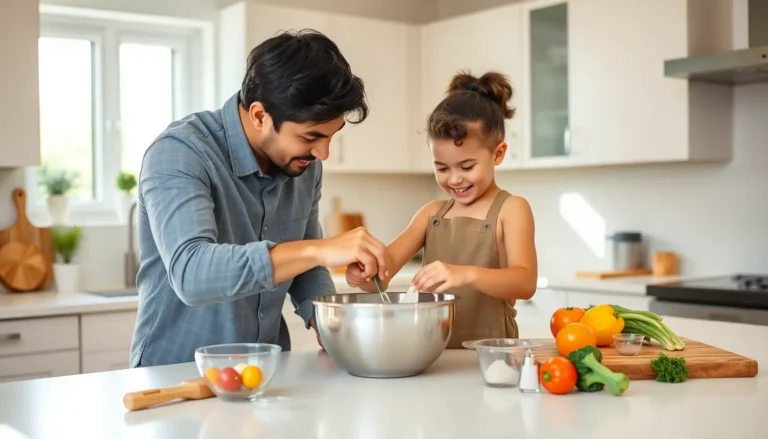
Cooking with children offers real advantages that go beyond a fun afternoon activity. Kids who help prepare meals develop practical skills, healthier eating habits, and stronger family bonds.
Life Skills That Last
Children learn fundamental skills through cooking. Measuring ingredients teaches basic math. Following recipes builds reading comprehension. Mixing, chopping (with age-appropriate tools), and timing introduce coordination and sequencing.
These aren’t abstract lessons. A child who cracks eggs at age five often becomes a teenager who can prepare breakfast independently. Cooking with children plants seeds for self-sufficiency.
Better Eating Habits
Research consistently shows that kids eat more vegetables when they help prepare them. A 2022 study published in Appetite found children who participated in meal prep consumed 76% more salad than those who didn’t participate.
Cooking with children creates buy-in. That broccoli looks more appealing when a child washed and arranged it themselves.
Quality Time and Connection
Modern families juggle packed schedules. Cooking with children carves out dedicated time together without screens or distractions. Conversations happen naturally while hands stay busy.
Many adults recall cooking with a parent or grandparent as a cherished memory. Those same opportunities exist today for families willing to make space for them.
Confidence Building
Completing a dish gives children a tangible sense of accomplishment. They contributed something the whole family enjoys. This builds confidence and encourages kids to try new tasks in other areas.
Challenges of Including Kids in the Kitchen
Cooking with children isn’t always smooth. Parents face real obstacles that make kid-inclusive cooking impractical on some days.
Time Constraints
A recipe that takes 30 minutes alone might stretch to an hour with a young helper. Little hands work slowly. Spills happen. Instructions need repeating.
Weeknight dinners often don’t allow this flexibility. When hunger and bedtime collide, cooking with children becomes stressful rather than enjoyable.
Safety Concerns
Kitchens contain hazards. Hot surfaces, sharp knives, and boiling liquids require constant supervision. Parents must stay vigilant, which adds mental load to an already demanding task.
Cooking with children under five presents particular challenges. Their motor skills and impulse control haven’t fully developed, raising accident risks.
Mess and Cleanup
Kids create more mess. Flour ends up on floors. Egg drips down cabinets. Utensils multiply mysteriously.
Some parents find the extra cleanup discouraging, especially after a long workday. The mess factor alone keeps many families from cooking with children regularly.
Uneven Results
Dishes don’t always turn out as planned when small helpers participate. Overmixed batter, uneven cuts, and forgotten ingredients can affect final results.
For special occasions or when feeding guests, some parents prefer cooking alone to ensure consistency.
When Cooking Alone Makes More Sense
Cooking with children vs. cooking alone isn’t an either-or proposition. Each approach fits different situations.
Complex or Time-Sensitive Recipes
Some dishes demand precision. Soufflés, candy-making, and dishes with multiple components often require full concentration. Cooking alone allows adults to focus without interruption.
High-Stress Evenings
After difficult days, parents may need kitchen time as personal decompression. Cooking alone offers a meditative quality, chopping vegetables, stirring sauces, listening to podcasts.
There’s no guilt in protecting this space occasionally. Parents who recharge through solo cooking return to their families in better spirits.
Meal Prep and Batch Cooking
Weekend meal prep sessions move faster without helpers. Cooking alone during batch cooking lets parents knock out multiple dishes efficiently, freeing up time for cooking with children during less pressured moments later.
When Kids Aren’t Interested
Not every child wants to cook. Some prefer other activities. Forcing participation backfires and creates negative associations with the kitchen.
Parents should offer invitations rather than requirements. Kids who decline today may show interest next month or next year.
Tips for Balancing Both Approaches
Smart families find middle ground between cooking with children and cooking alone. These strategies help parents get the best of both approaches.
Designate Kid-Friendly Cooking Days
Pick one or two days weekly for cooking with children. Weekends often work best since time pressure drops. Save complex weeknight meals for solo preparation.
This structure sets clear expectations. Kids know when their help is welcome, and parents protect time for efficient cooking alone.
Match Tasks to Ages
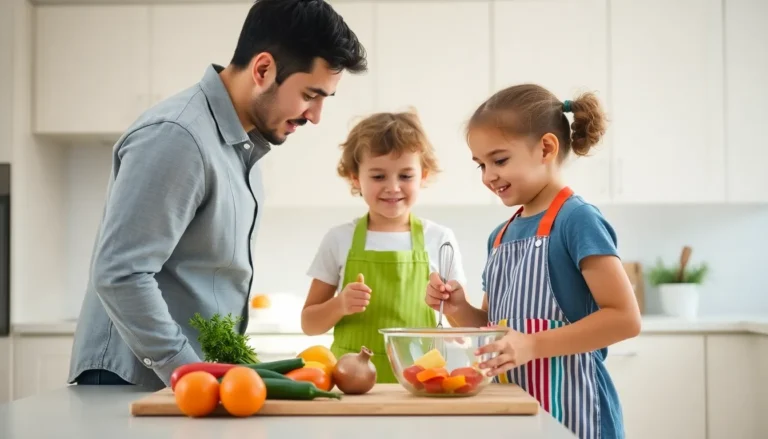
Toddlers can wash vegetables and tear lettuce. Elementary schoolers can measure, stir, and use safety scissors. Older kids can handle supervised knife work and stovetop tasks.
Cooking with children works better when tasks match abilities. Kids feel successful, and parents avoid frustration.
Prep Ahead for Smoother Sessions
Adults can pre-measure ingredients and gather tools before cooking with children begins. This reduces wait time and keeps young helpers engaged.
Think of it as mise en place with a purpose, organized stations make cooking with children more enjoyable for everyone.
Accept Imperfection
Lopsided cookies still taste good. Uneven vegetable cuts cook fine. Letting go of perfection makes cooking with children more relaxed.
The goal is participation, not professional results. Kids learn by doing, even when doing means making mistakes.
Involve Kids Beyond Active Cooking
Children can contribute without standing at the stove. Setting tables, selecting recipes, and creating grocery lists all build investment in family meals.
These lower-stakes tasks suit days when full cooking with children isn’t practical.