Table of Contents
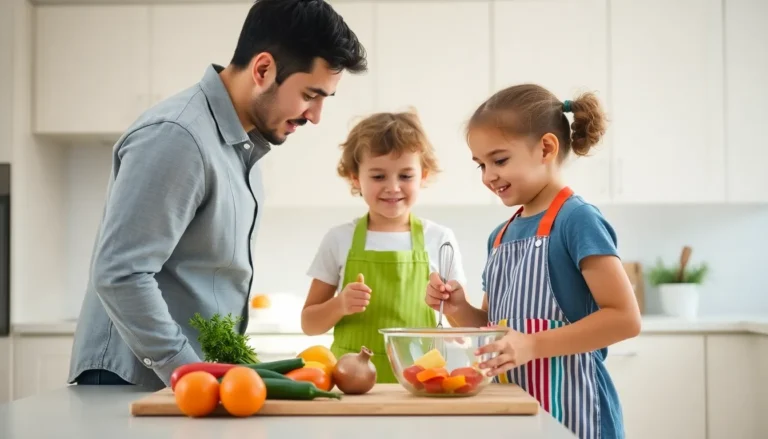
ToggleCooking with children tools designed for small hands can turn kitchen time into quality family time. Kids who cook learn math, science, and life skills while having fun. The right equipment makes all the difference between a stressful mess and a rewarding experience.
Parents often hesitate to bring children into the kitchen. Sharp objects, hot surfaces, and breakable items seem like a recipe for disaster. But with proper tools built for young cooks, children as young as two can participate safely. This guide covers essential cooking with children tools that help little chefs build confidence and create delicious memories.
Key Takeaways
- Cooking with children tools designed for small hands transforms kitchen time into a safe, educational experience that builds math, science, and motor skills.
- Safe knives, child-sized utensils, and non-slip cutting boards are essential cooking with children tools that prevent accidents and reduce frustration.
- Match tools to your child’s developmental stage—toddlers can use cookie cutters and salad spinners, while older kids can handle vegetable peelers and hand-powered choppers.
- Kids who help prepare meals develop healthier eating habits, try more foods, and gain confidence that lasts into adulthood.
- Set clear expectations, prep ingredients in advance, and start with simple no-cook recipes to keep cooking fun and stress-free.
- Store child-safe kitchen tools in accessible low drawers to encourage independence and regular participation.
Why Cooking With Kids Matters
Cooking with children offers benefits that extend far beyond the kitchen. Research from the American Academy of Pediatrics shows that kids who help prepare meals eat more vegetables and try new foods more willingly. They also develop healthier eating habits that last into adulthood.
The educational value is real. Measuring ingredients teaches fractions. Following recipes builds reading comprehension. Watching bread rise explains basic chemistry. These hands-on lessons stick better than textbook learning ever could.
Cooking with children tools also builds fine motor skills. Stirring, pouring, and spreading require coordination that young hands need to develop. Each task strengthens muscles and improves hand-eye coordination.
Perhaps most importantly, cooking together creates connection. In a world of screens and distractions, standing side by side at the counter gives families time to talk, laugh, and work toward a shared goal. The pride a child feels when serving something they helped make? That’s priceless.
Must-Have Kitchen Tools for Young Cooks
Investing in proper cooking with children tools transforms the experience for everyone involved. Standard kitchen equipment wasn’t designed for small hands, which leads to frustration and accidents. Child-specific tools solve both problems.
Safe Knives and Cutting Tools
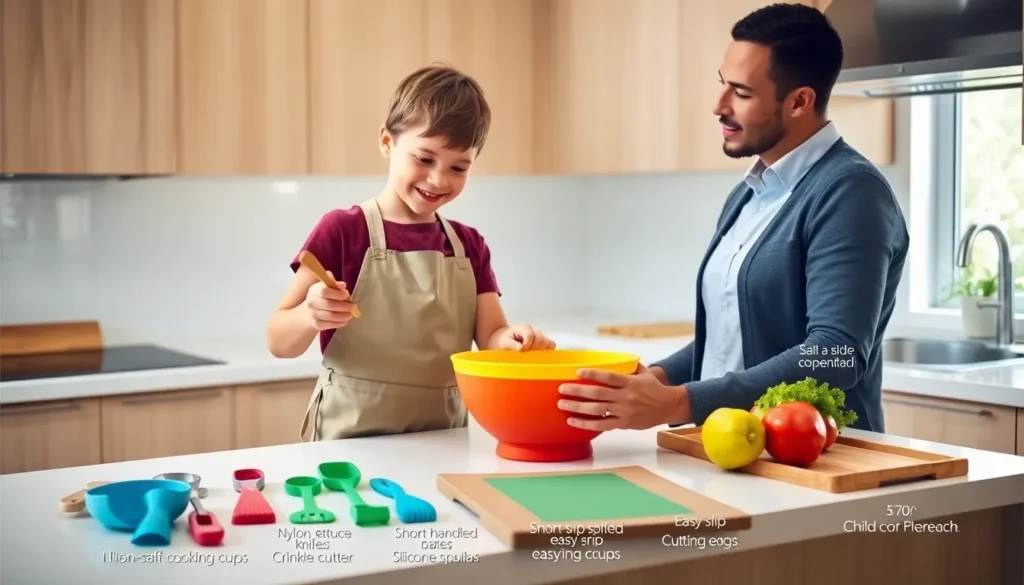
Cutting is often a child’s favorite task, and a parent’s biggest worry. Safe knives designed for children address this concern directly. These knives feature serrated edges that cut food but won’t easily break skin. Nylon and wooden options work well for soft foods like bananas, strawberries, and cooked vegetables.
Lettuce knives made of plastic let even toddlers participate in salad prep. Crinkle cutters create fun shapes while keeping fingers safe. For older children ready for more responsibility, kid-safe metal knives with rounded tips and finger guards offer a stepping stone to regular cutlery.
Cutting boards with non-slip grips prevent sliding during use. Look for boards with raised edges that catch juice and keep messes contained. Some boards feature measurement markings that double as learning tools.
Child-Sized Utensils and Equipment
Standard spatulas and spoons are too heavy and long for young children. Child-sized cooking with children tools have shorter handles and lighter weight. This gives kids better control and reduces fatigue.
Essential utensils include:
- Short-handled wooden spoons for stirring
- Silicone spatulas with soft edges
- Small whisks that fit little hands
- Measuring cups with easy-grip handles
- Plastic mixing bowls with rubber bases
A child-height step stool brings young cooks to counter level safely. Choose stools with wide bases and non-slip surfaces. Some models fold flat for easy storage.
Aprons protect clothing and make kids feel like real chefs. Look for adjustable neck straps and pockets for holding small tools. Matching chef hats, while not necessary, add excitement to the experience.
Age-Appropriate Tool Recommendations
Different ages require different cooking with children tools. Matching equipment to developmental stages keeps kids engaged without overwhelming them.
Ages 2-3: Focus on simple tasks. Plastic cookie cutters, small rolling pins, and silicone basting brushes work well. At this age, children can wash vegetables, tear lettuce, and stir cold ingredients. Egg separators and salad spinners add fun without risk.
Ages 4-5: Introduce basic measuring tools. Nesting measuring cups teach size relationships. Safety scissors can cut herbs. Vegetable peelers with wide handles and guards let children help with prep work. Plastic graters with covered blades handle cheese safely.
Ages 6-8: Kids this age can handle more responsibility. Child-safe knives with actual cutting ability become appropriate. Hand-powered food choppers let children dice onions without tears or danger. Thermometers teach about food safety. Small hand mixers with parent supervision expand recipe possibilities.
Ages 9-12: Pre-teens can begin using adult tools with supervision. Start with less dangerous items like stand mixers and progress to stovetop cooking. Quality cutting boards, real chef knives (with training), and timer apps help them cook more independently.
Remember that every child develops differently. Some six-year-olds handle responsibility better than some eight-year-olds. Watch your child’s comfort level and adjust accordingly.
Tips for a Safe and Fun Cooking Experience
Having the right cooking with children tools is only part of the equation. How parents approach kitchen time matters just as much.
Set clear expectations. Before cooking, explain which tools children will use and which remain off-limits. Establish rules about touching hot surfaces, staying away from sharp objects, and washing hands. Consistency prevents accidents.
Prep ingredients in advance. Mise en place, having everything measured and ready, keeps cooking moving smoothly. Kids lose interest during long pauses. Pre-chopped ingredients and pre-measured spices help maintain momentum.
Choose appropriate recipes. Start with no-cook options like smoothies and sandwiches. Progress to simple baking projects. Save complicated meals for when skills improve. Success builds confidence: failure discourages future attempts.
Accept imperfection. Eggs will drop. Flour will spill. Cookies will burn. These mistakes are part of learning. Reacting calmly teaches children that errors aren’t disasters. Clean up together and try again.
Make it routine. Weekly pizza night or Sunday pancakes give children regular practice. Repeated tasks build skill and confidence. Over time, children need less supervision and can take on more complex jobs.
Store cooking with children tools accessibly. Keep child-safe equipment in a low drawer or cabinet. When kids can reach their own tools, they feel ownership over the cooking process. This independence motivates participation.