Table of Contents
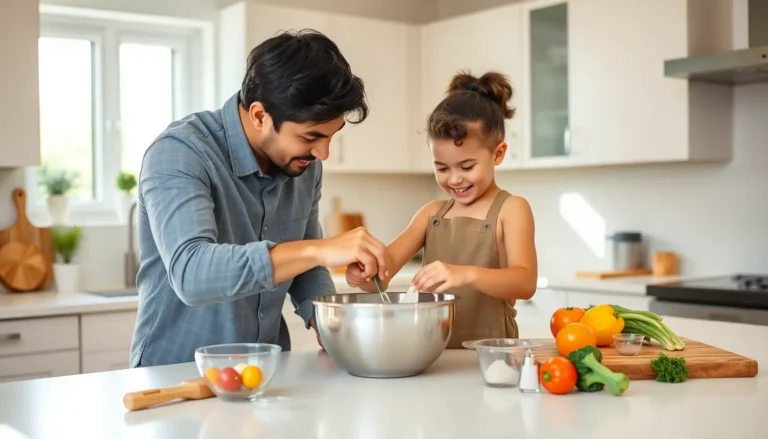
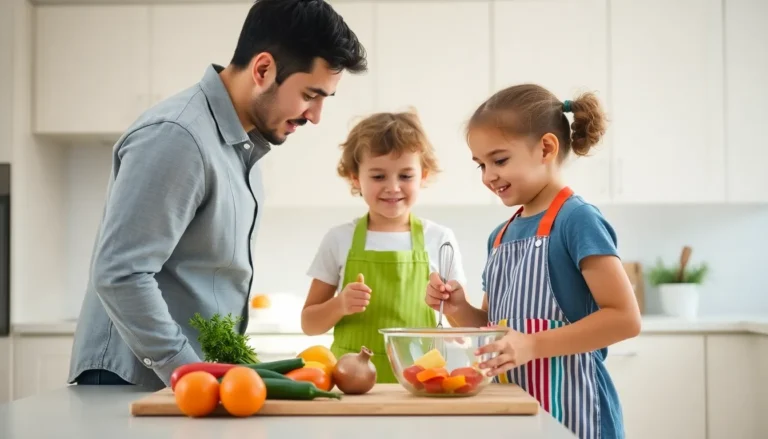
ToggleCooking with children tips can transform an ordinary evening into a memorable experience. Kids who help in the kitchen learn valuable skills, build confidence, and develop healthier eating habits. But let’s be honest, handing a spatula to a five-year-old can feel risky without the right approach.
This guide covers everything parents need to know about cooking with children. From safety basics to age-appropriate tasks, these tips help families create positive kitchen experiences together. Whether a child is two or twelve, there’s a way to get them involved safely and enjoyably.
Key Takeaways
- Cooking with children builds confidence, motor skills, and healthier eating habits that last into adulthood.
- Match kitchen tasks to your child’s age—toddlers can tear lettuce and stir, while preteens can handle knives and stovetop cooking with supervision.
- Create a safe environment by securing step stools, turning pot handles inward, and establishing clear kitchen rules before cooking begins.
- Focus on fun over perfection—let kids choose recipes, accept the mess, and avoid constant corrections to keep enthusiasm high.
- Start with simple no-cook recipes like fruit salad or yogurt parfaits before progressing to easy cooking projects like homemade pizza.
- Children who help prepare meals are more likely to eat the food they made, making cooking with children tips especially valuable for picky eaters.
Why Cooking With Kids Matters
Cooking with children tips go beyond just making dinner. The kitchen becomes a classroom where kids learn math, science, and reading all at once.
Children who cook regularly show improved motor skills. Stirring, pouring, and kneading build hand-eye coordination. A 2019 study from the University of Alberta found that kids involved in meal prep ate 25% more vegetables than those who didn’t participate.
The benefits extend to emotional development too. Cooking with children creates dedicated one-on-one time. Kids feel proud when they contribute to a family meal. That sense of accomplishment sticks with them.
There’s also the practical side. Children who learn cooking basics early become more independent teenagers and adults. They’re less likely to rely on processed foods and more likely to try new ingredients. Cooking with children tips shared now pay dividends for years to come.
Plus, kids are more willing to eat foods they helped prepare. That picky eater might actually try the salad if they tore the lettuce themselves.
Setting Up a Safe Kitchen Environment
Safety comes first when applying cooking with children tips. A few simple adjustments make the kitchen kid-friendly without major renovations.
Essential Safety Steps
- Secure a stable step stool. Children need to reach counter height comfortably. Wobbly stools cause accidents.
- Turn pot handles inward. This prevents curious hands from grabbing hot cookware.
- Create a kid-safe zone. Designate an area away from the stove and oven for younger helpers.
- Store sharp objects out of reach. Knives and peelers belong in high drawers or locked cabinets.
Teaching Kitchen Rules
Before any cooking session begins, establish clear rules. Children should understand they must ask before touching anything on the stove. Hand washing isn’t optional, it’s required before and after handling food.
Adults should stay within arm’s reach of young children at all times. Cooking with children tips always emphasize supervision. Even the most responsible eight-year-old needs guidance around heat and sharp tools.
Consider investing in child-friendly utensils. Nylon knives cut soft foods without sharp edges. Small whisks and spatulas fit little hands better than adult-sized versions.
Age-Appropriate Tasks for Young Chefs
Smart cooking with children tips match tasks to developmental stages. What works for a toddler won’t challenge a ten-year-old.
Ages 2-3
Toddlers can wash vegetables, tear lettuce, and stir cold ingredients. They love dumping pre-measured items into bowls. Keep expectations low and messes expected.
Ages 4-5
Preschoolers handle spreading soft toppings, mashing bananas, and cutting soft foods with plastic knives. They can crack eggs with supervision (though shell fishing may be required). Measuring dry ingredients becomes possible with guidance.
Ages 6-8
This age group reads simple recipes and follows multi-step instructions. They can use a vegetable peeler, grate cheese, and operate hand mixers. Introduce the concept of timing, setting a timer and understanding why it matters.
Ages 9-12
Preteens are ready for real knives under supervision. They can manage stovetop cooking with an adult nearby. Planning entire meals becomes achievable. Many kids this age enjoy baking because precise measurements appeal to their developing sense of logic.
Remember, these are guidelines. Some six-year-olds handle tasks beyond their age group, while others need more time. Cooking with children tips should adapt to each child’s abilities.
Keeping It Fun and Stress-Free
The best cooking with children tips focus on enjoyment, not perfection. A lopsided pizza tastes just as good as a round one.
Choose the right moment. Tired, hungry kids make terrible kitchen helpers. Schedule cooking sessions when everyone feels calm and fed. Weekend mornings often work better than rushed weekday evenings.
Accept the mess. Flour will spill. Egg will drip. Fighting this reality leads to frustration. Lay down a plastic tablecloth or old towel to contain chaos. Better yet, consider the mess part of the experience.
Let them choose. Children engage more when they have input. Offer two or three recipe options and let them pick. Even choosing between red or green peppers gives kids ownership.
Play music. A fun playlist transforms the atmosphere. Dancing while waiting for water to boil? Perfectly acceptable.
Skip the corrections. Unless safety is involved, resist fixing everything. Uneven cookie shapes and lumpy batter build confidence. Constant criticism kills enthusiasm fast.
Cooking with children tips should prioritize connection over culinary excellence. The goal is creating positive associations with food and family time.
Easy Recipes to Start With
Putting cooking with children tips into practice requires the right recipes. Start simple and build complexity over time.
No-Cook Options
- Fruit salad – Kids wash, peel, and cut soft fruits with plastic knives.
- Ants on a log – Celery, peanut butter, and raisins require zero heat.
- Yogurt parfaits – Layering yogurt, granola, and berries teaches portion concepts.
Simple Cooking Projects
- Homemade pizza – Store-bought dough eliminates complexity. Kids spread sauce and arrange toppings.
- Quesadillas – Cheese between tortillas on a griddle takes minutes.
- Scrambled eggs – Low heat and constant stirring make this manageable for older kids.
Baking Starters
- Banana bread – Mashing bananas satisfies younger helpers while older kids measure ingredients.
- No-bake cookies – Oats, peanut butter, and cocoa combine without oven risks.
- Decorated sugar cookies – Premade dough lets kids focus on the fun part: frosting and sprinkles.
Cooking with children tips work best when recipes match skill levels. Success breeds enthusiasm, and enthusiasm leads to more kitchen time together.