Table of Contents
ToggleCooking with children techniques offer a practical way to teach life skills while creating lasting memories. Kids who help in the kitchen learn about nutrition, math, and science, all while having fun. Parents often hesitate to involve young ones in meal prep, but the right approach makes it safe and enjoyable for everyone.
This guide covers age-appropriate tasks, safety rules, hands-on techniques, and tips to keep children motivated. Whether a toddler is washing vegetables or a ten-year-old is flipping pancakes, every child can participate in cooking. The key lies in matching tasks to ability levels and creating a positive environment.
Key Takeaways
- Cooking with children techniques should match tasks to each child’s developmental stage, from toddlers tearing lettuce to tweens using knives with supervision.
- Establish clear kitchen safety rules early, including proper hand washing, heat awareness, and the “claw grip” for knife handling.
- Keep cooking sessions age-appropriate in length—15 minutes for toddlers and longer projects for older kids—to maintain engagement.
- Let children choose recipes and ingredients to increase their ownership and enthusiasm for the cooking experience.
- Use cooking with children techniques as an opportunity to teach math, science, and nutrition through hands-on learning.
- Celebrate effort over perfection and make cleanup part of the routine to build positive, lasting associations with cooking.
Age-Appropriate Tasks for Young Chefs
Cooking with children techniques work best when tasks match a child’s developmental stage. A two-year-old has different abilities than an eight-year-old, and expectations should reflect that reality.
Toddlers (Ages 2-3)
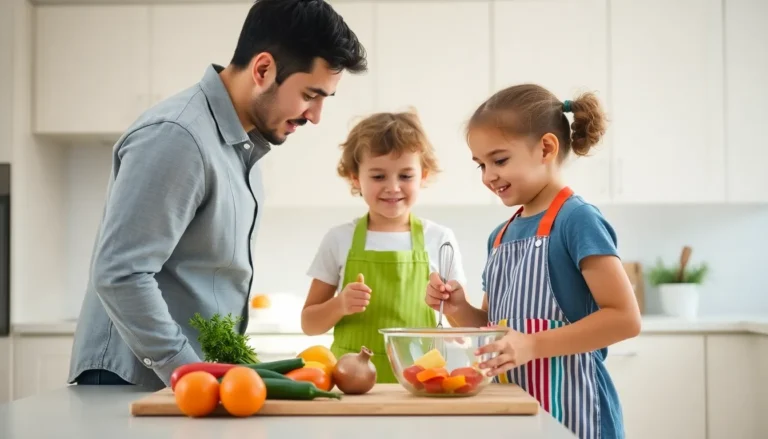
Toddlers can handle simple tasks that don’t require sharp tools or heat. They can wash fruits and vegetables under supervision. Tearing lettuce for salads gives them a sense of accomplishment. Stirring cold ingredients in a bowl keeps little hands busy. Pouring pre-measured ingredients into a mixing bowl also works well for this age group.
Preschoolers (Ages 4-5)
Preschoolers develop better motor control and can take on slightly more complex jobs. They can spread soft toppings on bread or crackers. Mashing bananas or avocados with a fork becomes manageable. Cutting soft foods like bananas with a plastic knife introduces basic cutting skills. They can also help measure dry ingredients with guidance.
School-Age Children (Ages 6-8)
Children in this age range can follow simple recipes with adult supervision. They can crack eggs (expect some shells at first). Using a vegetable peeler becomes possible with practice. They can operate a manual can opener and help read recipe instructions aloud.
Tweens (Ages 9-12)
Older children can handle more responsibility in the kitchen. They can use sharp knives with proper instruction. Operating the stovetop under supervision becomes appropriate. They can follow complete recipes independently and even plan simple meals.
Essential Kitchen Safety Rules for Children
Safety forms the foundation of cooking with children techniques. Establishing clear rules prevents accidents and builds confidence.
Basic Safety Guidelines
Children should always wash hands before touching food. Long hair needs to be tied back to keep it away from flames and food. Loose sleeves should be rolled up or secured. Kids should never run in the kitchen, walking only.
Heat and Fire Safety
Pot handles should always point toward the back of the stove. Children must learn that stovetops, ovens, and hot pans can burn. They should ask an adult before touching anything that might be hot. Oven mitts should be used every time, no exceptions.
Knife Safety
When children are ready for knives, they need proper instruction. The “claw grip” keeps fingers safe, curl fingertips under while holding food. Cut away from the body, never toward it. Knives stay on the cutting board when not in use. Adults should demonstrate techniques before children attempt them.
Supervision Requirements
Young children need constant adult presence during cooking with children techniques sessions. Even older kids should have an adult nearby when using heat or sharp tools. The level of supervision can decrease as skills develop, but someone should always be available to help.
Hands-On Techniques Kids Can Master
Practical cooking with children techniques give kids real skills they’ll use throughout life. Start with simple methods and build complexity over time.
Mixing and Stirring
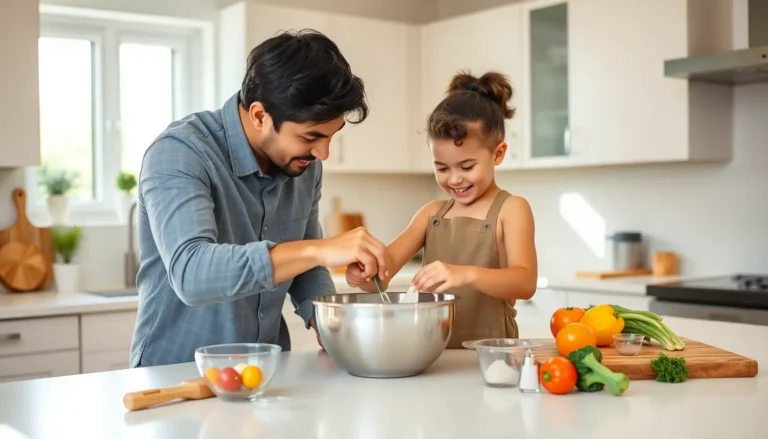
Mixing dry ingredients teaches coordination and patience. Children learn to stir in one direction for consistent results. They discover how different ingredients behave, flour puffs, sugar dissolves, batter thickens. Whisking eggs introduces the concept of incorporating air into food.
Measuring Ingredients
Measuring provides excellent math practice. Kids learn about fractions when halving or doubling recipes. They understand the difference between liquid and dry measuring cups. Leveling off dry ingredients with a straight edge becomes a useful skill.
Kneading and Rolling
Bread and cookie dough offer hands-on learning opportunities. Children feel how dough changes texture as they knead. Rolling dough to even thickness requires patience and practice. Cutting shapes with cookie cutters combines creativity with technique.
Basic Cutting Skills
Start with soft foods and plastic knives for beginners. Progress to butter knives for firmer foods like cheese. When ready, introduce real knives with proper supervision. The rocking motion used for chopping herbs comes with practice. Dicing vegetables evenly takes time to master but improves meal presentation.
Assembly and Plating
Building sandwiches, tacos, or pizzas lets kids express creativity. Arranging food on plates teaches them about presentation. Even young children can sprinkle toppings or add finishing touches.
Keeping Kids Engaged and Motivated
The best cooking with children techniques won’t matter if kids lose interest. Maintaining enthusiasm requires planning and flexibility.
Let Them Choose
Children stay more engaged when they have input. Let them pick recipes from a selection of options. Allow choices about ingredients when possible, do they want blueberries or strawberries? Giving kids ownership increases their investment in the outcome.
Keep Sessions Short
Young children have limited attention spans. A 15-minute cooking session works better than an hour-long project for toddlers. Older kids can handle longer tasks, but breaks help maintain focus. Choosing quick recipes prevents frustration.
Embrace the Mess
Kitchens will get messy when kids cook. Accepting this fact reduces stress for everyone. Put down a drop cloth or newspaper for particularly messy tasks. Make cleanup part of the routine, cooking includes washing dishes.
Celebrate Successes
Praise effort, not just results. A lumpy cookie still tastes good. Take photos of finished dishes to document progress. Let children serve their creations to family members. Positive experiences with cooking with children techniques create lifelong positive associations with food preparation.
Make It Educational
Discuss where ingredients come from during cooking sessions. Explain why certain techniques work, why does beating eggs make them fluffy? Connect cooking to math, science, and reading naturally. Kids absorb information better when they’re actively engaged.