Table of Contents
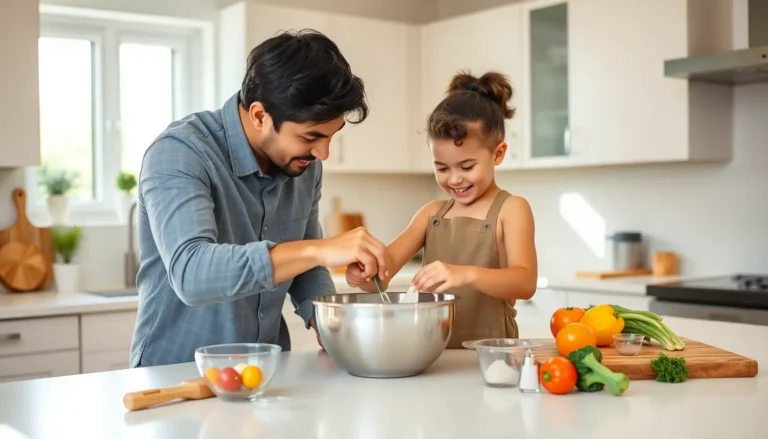
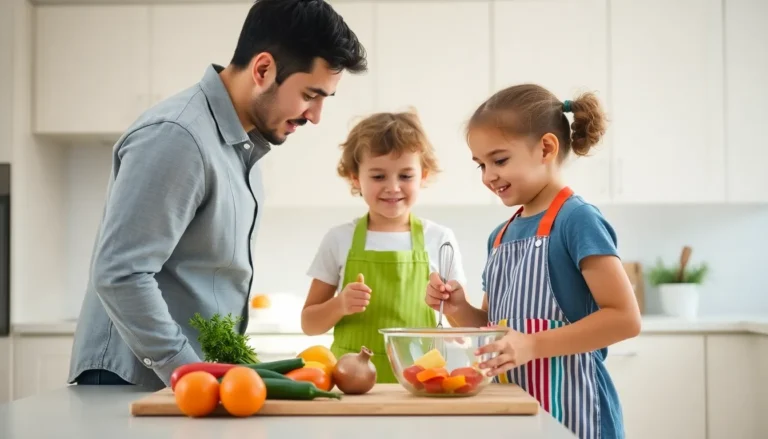
ToggleA cooking with children guide can transform ordinary meal prep into memorable family moments. Kids who cook learn practical skills, build confidence, and develop healthier eating habits. Parents often hesitate to invite little ones into the kitchen, worried about messes or safety hazards. But with the right approach, cooking together becomes both educational and enjoyable.
This guide covers everything families need to know about cooking with kids. From safety rules to age-appropriate tasks, these tips help create positive kitchen experiences. Whether a child is three or thirteen, there’s always something they can do to help. The key is matching activities to skill levels and keeping the atmosphere fun.
Key Takeaways
- A cooking with children guide helps transform meal prep into valuable learning experiences that teach math, science, and reading skills.
- Kids who participate in cooking develop healthier eating habits and are more likely to try new foods like fruits and vegetables.
- Safety is essential—always supervise children in the kitchen and establish clear rules for hand washing, hot surfaces, and knife handling.
- Match kitchen tasks to your child’s age: toddlers can stir and pour, while teens can prepare entire meals with minimal oversight.
- Start with simple no-cook or beginner recipes to build confidence before progressing to more complex dishes.
- Keep kids engaged by letting them choose recipes, accepting imperfection, and celebrating their efforts with praise and family meals.
Benefits of Cooking With Kids
Cooking with children offers advantages that extend far beyond the kitchen. When kids participate in meal preparation, they gain skills that serve them throughout life.
Educational Value
The kitchen doubles as a classroom. Children practice math by measuring ingredients and counting cups. They learn science by watching dough rise or eggs solidify. Reading skills improve as kids follow recipe instructions. A cooking with children guide should emphasize these learning opportunities because they happen naturally during food prep.
Healthier Eating Habits
Kids who cook are more likely to try new foods. Research shows that children who help prepare meals eat more fruits and vegetables. They feel invested in what they’ve created and want to taste the results. This connection between effort and outcome builds positive associations with healthy eating.
Confidence and Independence
Completing kitchen tasks gives children a sense of accomplishment. A toddler who stirs batter or a teen who flips pancakes feels capable and proud. These small wins add up. Over time, kids develop the confidence to cook independently.
Quality Family Time
Cooking together creates space for conversation and connection. Families bond over shared tasks without screens or distractions. These moments often produce the best memories, and the best stories about kitchen mishaps.
Essential Kitchen Safety Rules for Young Cooks
Safety comes first in any cooking with children guide. Establishing clear rules protects kids and builds good habits.
Supervision Is Non-Negotiable
An adult should always be present when children cook. Even experienced young cooks need oversight around heat, sharp objects, and electrical appliances. Parents can gradually step back as skills develop, but supervision remains essential.
Hand Washing Protocol
Every cooking session starts with thorough hand washing. Kids should scrub with soap for at least twenty seconds. They also need to wash hands after touching raw meat, eggs, or their face.
Hot Surface Awareness
Teach children that stoves, ovens, and hot pans are off-limits unless an adult gives permission. Use the back burners when possible and turn pot handles inward. Kids should understand that heat lingers, a burner stays hot even after it’s turned off.
Knife Safety Basics
Sharp tools require respect. Young children can start with butter knives or child-safe cutters. As they grow, teach proper knife grip: fingers curled under, blade moving away from the body. An adult should always supervise cutting activities.
Clean as You Go
Spills create slipping hazards. Teach kids to wipe up messes immediately. This habit also makes post-cooking cleanup much faster.
Age-Appropriate Tasks to Assign
A successful cooking with children guide matches tasks to developmental stages. Here’s what kids can handle at different ages.
Ages 2-3: The Helpers
Toddlers love to participate. They can wash vegetables, tear lettuce, stir cold ingredients, and pour pre-measured items into bowls. These simple tasks keep little hands busy while building motor skills.
Ages 4-5: Growing Independence
Preschoolers can mash soft foods, spread butter or jam, cut soft items with a butter knife, and crack eggs with guidance. They enjoy mixing ingredients and pressing cookie cutters into dough.
Ages 6-8: Skill Building
Elementary-age kids can measure ingredients independently, use a peeler with supervision, read simple recipes aloud, and help set the table. They can also load the dishwasher and operate small appliances like toasters.
Ages 9-12: Intermediate Cooks
Tweens can follow recipes on their own, use knives under supervision, operate the microwave, and help with stovetop cooking while an adult watches. They can plan simple meals and create shopping lists.
Ages 13+: Near Independence
Teenagers can cook entire meals with minimal oversight. They can use ovens, handle sharp knives properly, and manage multiple dishes at once. This cooking with children guide encourages giving teens real responsibility in the kitchen.
Easy Recipes to Start With
Beginner-friendly recipes set kids up for success. These options work well for first-time young cooks.
No-Cook Options
Start without heat to build confidence. Trail mix lets kids measure and combine their favorite nuts, dried fruits, and chocolate chips. Fruit salad teaches knife skills with soft ingredients. Sandwiches and wraps allow creativity with fillings and assembly.
Simple Baked Goods
Cookies and muffins introduce baking basics. Kids practice measuring, mixing, and timing. Pre-made dough simplifies the process for younger children. Pizza with store-bought crust lets everyone customize their own creation.
One-Pot Meals
Soups and pasta dishes teach cooking fundamentals. Kids can add vegetables to broth, stir sauces, and monitor boiling water under supervision. These meals also demonstrate how ingredients transform with heat.
Breakfast Favorites
Pancakes and scrambled eggs offer quick wins. Kids see fast results, which maintains enthusiasm. Smoothies provide a safe introduction to kitchen appliances, just blend and enjoy.
Any cooking with children guide should stress starting simple. Success breeds confidence, and confidence encourages kids to try harder recipes.
Tips for Keeping Kids Engaged in the Kitchen
Even enthusiastic young cooks lose interest if cooking feels like a chore. These strategies maintain excitement.
Let Them Choose
Kids engage more when they have input. Let them pick recipes from a few options or choose between ingredients. This ownership makes them invested in the outcome.
Accept Imperfection
Lopsided cookies still taste delicious. Resist the urge to fix everything. When children see their “mistakes” turn out fine, they learn that perfection isn’t the goal.
Tell Stories
Share memories connected to recipes. “This was Grandma’s favorite soup” or “Dad burned this same dish the first time he tried” makes cooking feel meaningful. Family recipes carry history that kids absorb through stories.
Use Fun Tools
Child-sized utensils, colorful measuring cups, and themed aprons make cooking more appealing. Kids feel like real chefs with their own equipment.
Celebrate the Results
Praise effort, not just outcomes. Serve what kids make for family meals. Take photos of finished dishes. These small celebrations reinforce that their contributions matter.
Keep Sessions Short
Young children have limited attention spans. A cooking with children guide should acknowledge this reality. Start with fifteen-minute activities for toddlers and gradually increase time as kids grow older.