Table of Contents
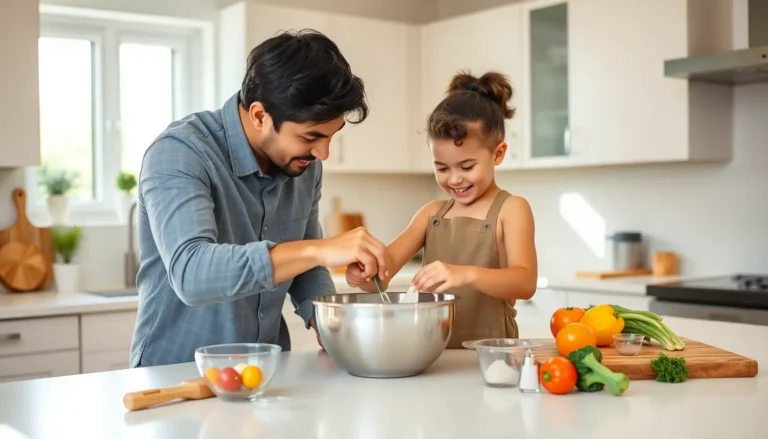
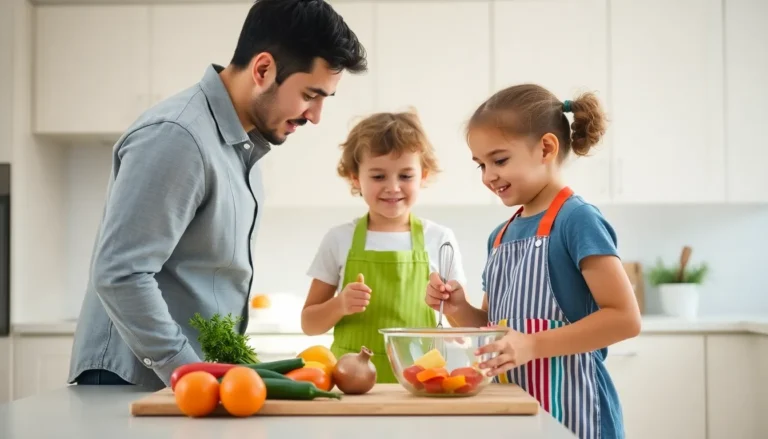
ToggleCooking with children examples range from simple tasks like washing vegetables to full recipe projects like homemade pizza. These shared kitchen moments teach kids valuable life skills while creating lasting family memories. Children who cook at home tend to eat healthier foods and develop stronger math abilities through measuring ingredients. This guide covers age-appropriate tasks, easy recipes, and practical tips to make cooking with children both fun and successful.
Key Takeaways
- Cooking with children examples include age-appropriate tasks like washing vegetables for toddlers, cracking eggs for preschoolers, and following full recipes for older kids.
- Children who participate in cooking are more likely to try new foods and eat healthier, according to research published in Appetite.
- Kitchen activities naturally teach math skills like fractions, multiplication, and addition through measuring and counting ingredients.
- Simple recipes like personal pizzas, fruit kabobs, and banana ice cream guarantee success and keep kids engaged.
- Prep your workspace before cooking with children to minimize wait times and maintain young attention spans.
- Embrace imperfection and teach cleanup as part of the process to make family cooking sessions sustainable and enjoyable.
Why Cooking With Children Matters
Cooking with children builds skills that extend far beyond the kitchen. Kids learn to follow instructions, practice patience, and develop confidence when they complete a dish from start to finish.
Research shows that children who help prepare meals are more likely to try new foods. A 2019 study published in Appetite found that hands-on cooking participation increased vegetable consumption in children ages 6-10. When kids chop carrots or stir soup, they feel invested in the meal.
Math concepts come alive during cooking with children. Measuring cups teach fractions. Doubling a recipe introduces multiplication. Counting eggs demonstrates basic addition. These practical applications make abstract concepts concrete and memorable.
Cooking with children also strengthens family bonds. The kitchen becomes a space for conversation and teamwork. Parents can share family recipes and food traditions. Children feel valued as contributing members of the household.
Safety awareness develops naturally during cooking sessions. Kids learn to respect hot surfaces, handle sharp tools with care, and practice good hygiene. These lessons stick because they happen in real situations rather than lectures.
Age-Appropriate Cooking Tasks for Kids
Different ages bring different abilities. Matching tasks to developmental stages keeps cooking with children safe and enjoyable.
Toddlers (Ages 2-3)
Toddlers can wash produce under supervision. They enjoy tearing lettuce leaves and stirring cold ingredients. Pressing cookie cutters into dough gives them hands-on satisfaction. Keep tasks simple and expect mess, it’s part of the process.
Preschoolers (Ages 4-5)
Preschoolers handle spreading butter on bread, mashing bananas with a fork, and pouring pre-measured ingredients into bowls. They can crack eggs with practice (expect some shell fishing at first). Mixing batters and kneading dough build fine motor skills.
Early Elementary (Ages 6-8)
Children at this stage use child-safe knives to cut soft foods like strawberries or bananas. They read simple recipes with help and measure ingredients independently. Grating cheese, peeling vegetables with a safety peeler, and flipping pancakes under supervision become accessible.
Older Kids (Ages 9-12)
Older children operate simple appliances like blenders and toasters. They follow multi-step recipes, use standard knives for basic cutting, and manage timing for different dishes. Some kids this age can prepare simple meals independently with an adult nearby.
Cooking with children works best when expectations match abilities. Start easier than you think necessary, then add complexity as confidence grows.
Simple Recipes to Make With Children
The best cooking with children examples start with recipes that guarantee success. Here are proven favorites that work across age groups.
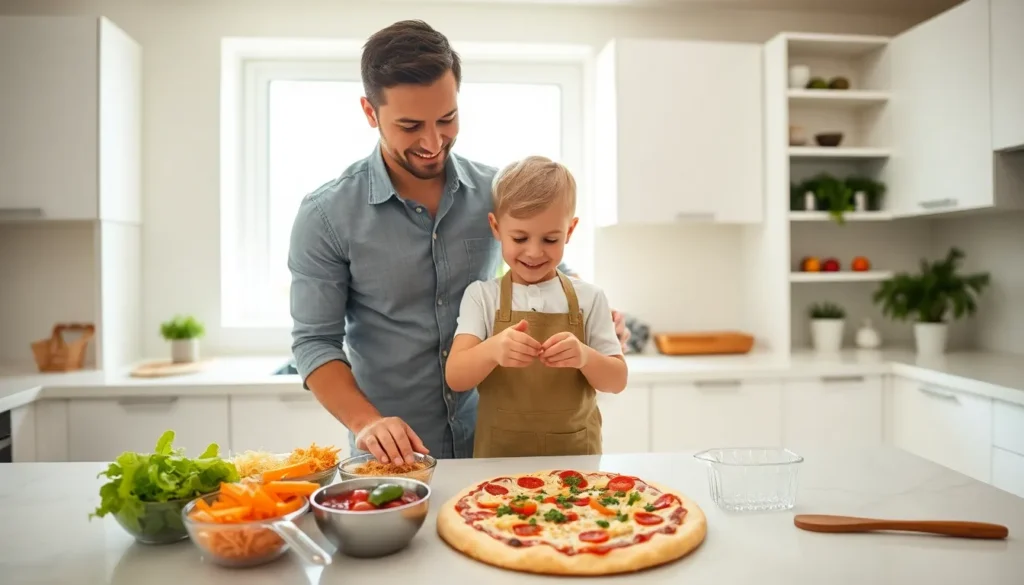
Personal Pizzas
Use pre-made pizza dough or English muffins as bases. Set out bowls of sauce, cheese, and toppings. Kids spread sauce, sprinkle cheese, and customize their creations. Bake according to dough instructions. Everyone eats what they made.
Fruit Kabobs
Cut various fruits into chunks. Give children blunt wooden skewers. They thread fruit in any pattern they choose. No cooking required, and the result looks impressive. Add a yogurt dipping sauce for extra appeal.
Ants on a Log
This classic snack involves celery sticks filled with peanut butter and topped with raisins. Kids spread the peanut butter and place the “ants.” It teaches following steps and allows creative expression.
Homemade Trail Mix
Set out small bowls of nuts, dried fruit, cereal, chocolate chips, and pretzels. Children measure portions into bags and shake to mix. They practice measuring while creating a personalized snack.
Banana Ice Cream
Freeze banana slices overnight. Blend them until smooth. The result tastes like soft-serve ice cream. Kids can add cocoa powder, berries, or peanut butter for flavor variations. This cooking with children example teaches that healthy food can taste great.
Tips for a Successful Kitchen Experience
A few strategies make cooking with children smoother for everyone involved.
Prep the workspace first. Clear counters, gather all ingredients, and set out necessary tools before inviting kids to join. This reduces waiting time and keeps young attention spans engaged.
Embrace imperfection. Cookies will look uneven. Flour will spill. The goal is learning and connection, not perfection. Resist the urge to fix everything kids do.
Teach cleanup as part of cooking. Children should put ingredients away and wipe surfaces as they go. This habit makes cooking with children sustainable long-term rather than creating extra work.
Choose the right moment. Avoid starting a cooking project when children are tired, hungry, or overstimulated. Weekend mornings often work better than rushed weekday evenings.
Talk through what you’re doing. Explain why eggs need to reach room temperature or why recipes say to fold rather than stir. These explanations build food science understanding.
Start with their favorites. Children stay more engaged when making food they actually want to eat. Build skills through beloved dishes first, then introduce new recipes gradually.
Use safety language consistently. Phrases like “hot means stop” and “ask before you touch” create patterns that protect kids as they gain independence in the kitchen.