Table of Contents
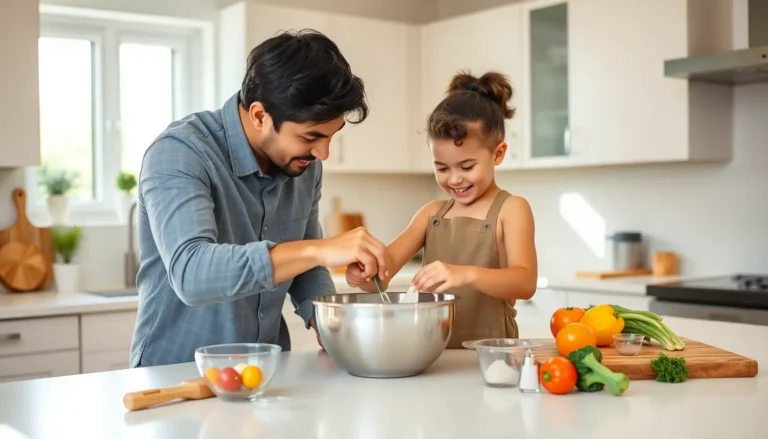
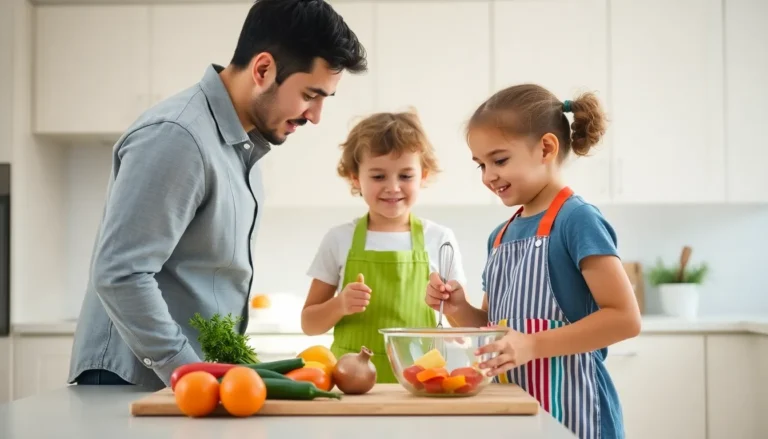
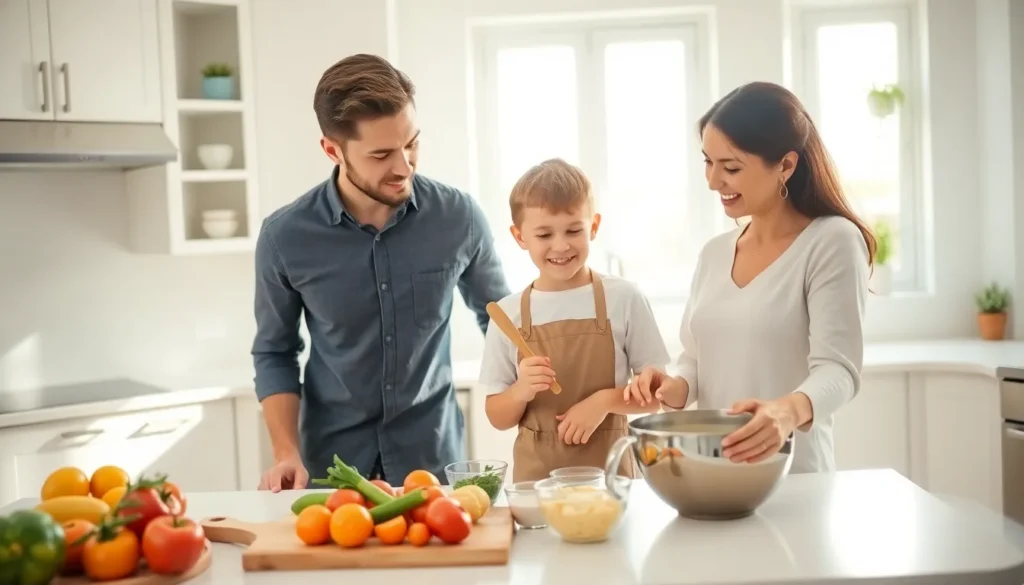
ToggleCooking with children transforms ordinary meals into memorable learning experiences. Kids who help prepare food develop practical skills, build confidence, and often become more willing to try new foods. This guide covers everything parents need to know about cooking with children, from age-appropriate tasks to safety tips and easy recipes. Whether a family has a curious toddler or an eager teenager, the kitchen offers countless opportunities for quality time and skill-building.
Key Takeaways
- Cooking with children builds essential life skills like math, reading comprehension, and organization that last into adulthood.
- Kids who help prepare meals are more likely to try new foods and eat more fruits and vegetables.
- Match kitchen tasks to your child’s age—toddlers can wash vegetables while teens can plan and cook entire meals.
- Always supervise actively and establish clear safety rules before cooking with children, especially around heat and sharp tools.
- Keep the experience positive by lowering expectations, allowing extra time, and celebrating effort over perfection.
- Start with easy recipes like homemade pizza, smoothies, or no-bake energy balls to build confidence and enthusiasm.
Benefits of Getting Kids Involved in the Kitchen
Cooking with children delivers benefits that extend far beyond the dinner table. Here’s why parents should consider making kitchen time a regular family activity.
Builds Life Skills
Children who cook learn practical skills they’ll use throughout their lives. Measuring ingredients teaches math concepts. Following recipes builds reading comprehension. Planning meals introduces budgeting and organization. These skills stick with kids long after they leave home.
Encourages Healthy Eating
Kids who participate in meal preparation eat more fruits and vegetables. Studies show children are more likely to taste foods they’ve helped make. Cooking with children creates natural opportunities to discuss nutrition without lectures.
Strengthens Family Bonds
The kitchen provides a space for conversation and connection. Parents and children work toward a shared goal while talking, laughing, and problem-solving together. Many families report that cooking with children becomes a cherished tradition.
Boosts Confidence
Completing a recipe gives children a real sense of accomplishment. They see direct results from their efforts, a tangible dish they created. This confidence often spills over into other areas of their lives.
Age-Appropriate Tasks for Young Chefs
Successful cooking with children starts with matching tasks to ability levels. Here’s a breakdown by age group.
Toddlers (2-3 Years)
Toddlers can wash vegetables, tear lettuce, stir cold ingredients, and pour pre-measured items into bowls. They love repetitive tasks and sensory experiences. Keep sessions short, five to ten minutes works best for this age.
Preschoolers (4-5 Years)
Preschoolers handle spreading soft ingredients, cutting soft foods with plastic knives, cracking eggs (with practice), and using cookie cutters. They can also help set the table and count ingredients.
Early Elementary (6-8 Years)
Children this age can measure ingredients independently, read simple recipes, use a vegetable peeler, and operate a hand mixer with supervision. Cooking with children in this age range allows for more complex projects.
Older Kids (9-12 Years)
Older children can follow multi-step recipes, use sharp knives with guidance, operate the stovetop under supervision, and begin baking independently. They appreciate creative freedom in choosing recipes.
Teenagers
Teens can prepare entire meals with minimal assistance. They benefit from learning meal planning, grocery shopping, and cooking for others. Cooking with children at this stage prepares them for independent living.
Safety Tips for Cooking With Children
Safety remains the top priority when cooking with children. These guidelines help prevent accidents and build safe kitchen habits.
Establish Clear Rules
Set expectations before starting. Common rules include: always wash hands first, never touch hot surfaces without permission, and walk (don’t run) in the kitchen. Cooking with children works best when everyone understands the boundaries.
Supervise Actively
Stay within arm’s reach when children use heat or sharp tools. Put away phones and other distractions. Active supervision prevents most kitchen accidents.
Teach Knife Safety
Introduce cutting tools gradually. Start with butter knives, progress to serrated plastic knives, then move to real knives when children demonstrate responsibility. Teach the “claw grip” for holding food and always cut away from the body.
Handle Heat Carefully
Turn pot handles toward the back of the stove. Use oven mitts consistently, even when adults think something “isn’t that hot.” Establish a “hot zone” around the stove that younger children don’t enter.
Address Allergies
Discuss ingredient allergies and cross-contamination. Cooking with children provides natural teaching moments about food safety and allergen awareness.
Easy Recipes to Make Together
The best recipes for cooking with children feature simple steps, short prep times, and delicious results. Here are family favorites.
Homemade Pizza
Pizza allows endless customization. Kids can knead dough, spread sauce, sprinkle cheese, and add their favorite toppings. Even picky eaters enjoy pizza they’ve made themselves.
Fruit Smoothies
Smoothies require minimal cooking skills. Children select fruits, measure ingredients, and operate the blender (with supervision). This recipe teaches nutrition while creating a healthy snack.
No-Bake Energy Balls
Mixing oats, nut butter, honey, and chocolate chips requires no heat. Kids love rolling the mixture into balls. These treats make great lunchbox additions.
Simple Pasta Salad
After adults drain the cooked pasta, children can add vegetables, cheese, and dressing. Cooking with children becomes especially fun when they choose the mix-ins.
Pancakes
Weekend pancakes offer measuring, mixing, and flipping practice. Start with a simple recipe and let kids experiment with add-ins like blueberries or chocolate chips.
Keeping the Experience Positive and Stress-Free
Cooking with children should feel enjoyable, not like a chore. These strategies help maintain a positive atmosphere.
Lower Expectations
Perfect dishes aren’t the goal. Messy counters, misshapen cookies, and occasional failures all belong in the process. Children learn from imperfect attempts.
Allow Extra Time
Tasks take longer with young helpers. Don’t start cooking with children when dinner needs to hit the table in twenty minutes. Choose relaxed weekend afternoons for learning new skills.
Give Real Responsibility
Kids sense when they’re doing “pretend” tasks versus meaningful work. Assign jobs that actually contribute to the meal. Even simple tasks feel important when children know their help matters.
Accept the Mess
Flour will spill. Eggs will break. Sauce will splatter. Embrace this reality and involve children in cleanup afterward. Teaching kids to clean as they cook builds good habits.
Celebrate Efforts
Praise the process, not just the product. “You worked really hard on that” beats “That looks perfect.” Cooking with children builds resilience when kids feel valued regardless of outcomes.
Follow Their Interests
Let children choose recipes sometimes. A kid who picks the dish feels invested in its success. Their enthusiasm makes the whole experience more enjoyable.